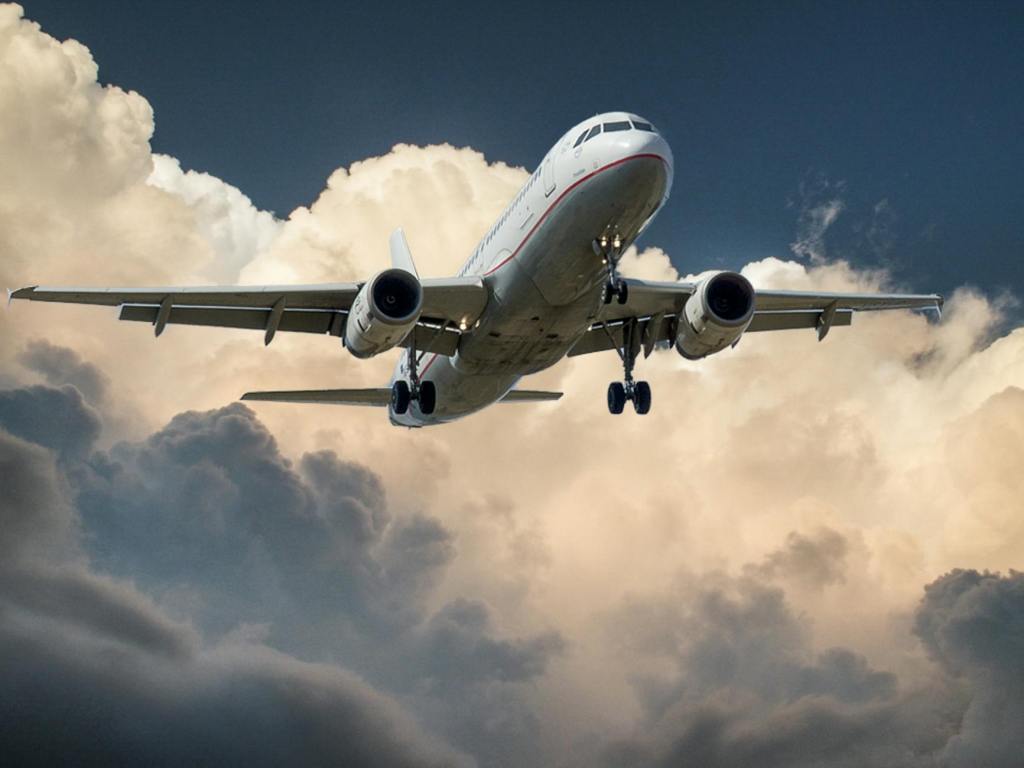
Here are some cool facts about planes:
- The Wright brothers, Orville and Wilbur Wright, are credited with inventing and building the world’s first successful airplane.
- The fastest manned aircraft is the Lockheed SR-71 Blackbird, capable of reaching speeds over 2,200 miles per hour.
- The Boeing 747, known as the “Jumbo Jet,” was the world’s largest passenger aircraft for over 40 years until the introduction of the Airbus A380.
- The term “black box” used in aviation actually refers to the flight data recorder and cockpit voice recorder, which are typically painted bright orange for visibility.
- The Concorde, a supersonic passenger airliner, could travel at twice the speed of sound and completed its last commercial flight in 2003.
- The wingspan of the Antonov An-225 Mriya, the largest cargo aircraft in the world, is longer than the Wright brothers’ first flight.
- The Airbus A380, the world’s largest passenger aircraft, has a maximum takeoff weight of over 1.2 million pounds.
- The Boeing 787 Dreamliner is made primarily of composite materials, making it lighter and more fuel-efficient than traditional aircraft.
- The International Space Station (ISS) orbits the Earth at an average altitude of about 250 miles and travels at a speed of approximately 17,500 miles per hour.
- The term “jet lag” refers to the fatigue and sleep disturbances experienced by travelers when crossing multiple time zones quickly.
- The Boeing 737 is the best-selling commercial jet aircraft in history.
- The Airbus A320 family was the first to introduce fly-by-wire technology in commercial aircraft.
- The term “air pocket” is a common misconception; turbulence is caused by changes in air pressure, not pockets of air.
- The “black stripes” seen on some military aircraft are designed to reduce visibility and make it harder to identify the plane’s orientation.
- The term “red-eye flight” refers to overnight flights that can cause passengers to have tired, red eyes upon arrival.
- The Boeing 777 was the first commercial aircraft to be designed entirely by computer.
- The “Mile High Club” refers to people who claim to have had intimate encounters on an airplane while in flight.
- The Airbus A350 XWB (Extra Wide Body) is known for its advanced aerodynamics and fuel-efficient design.
- The “Gimli Glider” incident involved an Air Canada flight that ran out of fuel mid-flight but managed to glide to a safe landing.
- The “Lavatory Law” is an unwritten rule that the captain and first officer should never be in the cockpit at the same time to ensure one is always monitoring the flight.
- The Boeing 747 has a hump on the upper deck to allow for a front staircase and more passenger seating.
- The term “holding pattern” refers to a flight path that aircraft follow when waiting to land at a busy airport.
- The “black box” in airplanes is actually bright orange to make it easier to find in case of a crash.
- The Airbus A380 has two full-length passenger decks and can carry over 800 passengers in a single-class configuration.
- The “angle of attack” is the angle between the wing and the oncoming air and is crucial for generating lift.
- The term “V1” in aviation refers to the takeoff decision speed, the speed at which the takeoff must continue even if an engine fails.
- The “sound barrier” is the speed at which an aircraft reaches the speed of sound, causing a sonic boom.
28. - The Boeing 787 Dreamliner has larger windows and dynamic lighting to reduce jet lag and create a more comfortable environment.
- The “pitot tube” on an aircraft measures airspeed by sensing the dynamic pressure of the air around it.
- The “transponder” in an aircraft sends out a unique code to air traffic control for identification and tracking purposes.
- The Concorde was a supersonic passenger airliner that could travel faster than the speed of sound.
- The term “jet lag” refers to the fatigue and disorientation experienced by travelers when crossing multiple time zones.
- The “cockpit” is where the pilots control the aircraft and is also known as the flight deck.
- The Antonov An-225 Mriya is the world’s largest cargo aircraft with six engines and a wingspan of over 80 meters.
- The “flight data recorder” (FDR) stores data about the flight parameters and is crucial for accident investigations.
- The “empennage” of an aircraft includes the tail section, stabilizers, and control surfaces.
- The “ram air turbine” is a small wind turbine that generates emergency power for essential systems in case of engine failure.
- The term “Mach number” is used to measure an aircraft’s speed relative to the speed of sound.
- The “sick bag” in airplanes is provided for passengers who experience airsickness.
- The “rudder” is a control surface on the vertical stabilizer that helps the aircraft turn left or right.
- The “aileron” is a control surface on the wings that helps the aircraft roll left or right.
- The “fuselage” is the main body of the aircraft where passengers and cargo are carried.
- The “thrust reversers” on jet engines help slow down the aircraft after landing by redirecting the thrust forward.
- The “yoke” or control column is used by pilots to control the aircraft’s pitch and roll.
- The “flaps” on the wings can be extended to increase lift during takeoff and landing.
- The “spoilers” on the wings are raised to reduce lift and increase drag, helping the aircraft slow down after landing.
- The “tail number” on an aircraft is a unique identifier painted on the tail for registration purposes.
- The “landing gear” includes wheels, struts, and other components that support the aircraft during takeoff and landing.
- The “autopilot” is a system that can automatically control the aircraft’s heading, altitude, and speed.
- The “transonic region” is the speed range close to the speed of sound where airflow over the aircraft becomes unpredictable.
 Multiverse Cooperations
Leave a comment